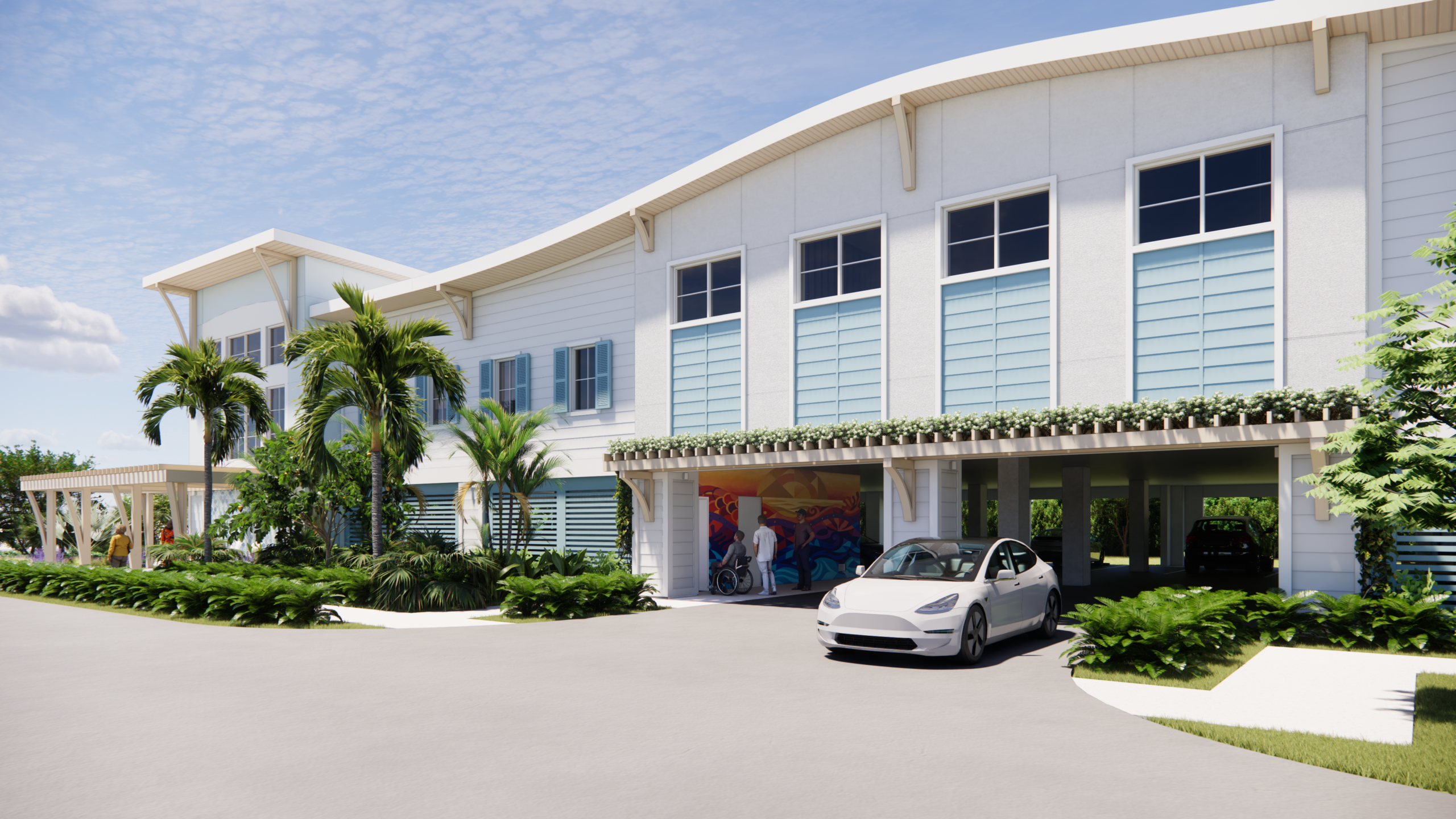
FISH of SanCap reached an important milestone in plans for its future Resiliency Hub on Tuesday, Sept. 22, when the City of Sanibel Planning Commission approved the variance application and Conditional Use Permit needed for the project to continue moving forward.
The approvals came following a public hearing that included a detailed review of the project, questions from commissioners, and discussion about FISH, its programs and the role the proposed facility will serve in the community.
“This was an important step for FISH and for a project that has required a tremendous amount of planning, coordination and collaboration,” said Maria Espinoza, FISH Executive Director. “We appreciate the Planning Commission, City staff and everyone who took the time to learn more about the project, ask questions and participate in the process. We know there are different perspectives in our community, and we respect the public process that allows those perspectives to be heard.”
The Planning Commission approved the applications by majority vote.
FISH was joined at the hearing by members of the project team who were available to address questions about the proposed facility, site planning, engineering and the variance requests. Those participating included Nathalie White, Principal, Schenkel Shultz Architecture; Brad Picard, Project Engineer, RESPEC; Jason R. Maughan, FISH Counsel, Maughan, Himschoot & Associates Law Group; Maria Espinoza, Executive Director, FISH; Kim Ruiz, Principal Planner, City of Sanibel; and Oisin Dolley, City Engineer, Public Works, City of Sanibel.
With the approvals in place, FISH and its project team can continue advancing the Resiliency Hub through the design and development process. The project is currently at approximately 60 percent design. Work will now continue toward the 90 percent design phase and preparation of the construction bid package.
Board leadership also reflected on what reaching this point represents for FISH. “From the Board’s perspective, our responsibility is to look beyond the building itself and make sure we are planning for what FISH and this community will need well into the future,” said Susan Ryckman, FISH Board Chair. “This is about giving FISH the capacity to continue serving our neighbors every day and to be ready when our community needs us most.”
Bill Hayles, FISH Board Vice Chair and Building Committee Chair, added, “The Building Committee has spent a great deal of time working through the details of this project with our architects, engineers and FISH leadership. Reaching this point represents a lot of careful work, and we will bring that same level of attention to the decisions still ahead.”
The hearing also emphasized something FISH has heard through its own community outreach: people want to better understand the project, how it will be used and how it connects to the work FISH already provides throughout Sanibel and Captiva.
Earlier this year, FISH conducted a community survey that received 172 responses. While only 23.3 percent of respondents said they were very familiar with the Resiliency Hub project, respondents identified food security, senior services and disaster preparedness among their highest priorities. Food security was identified by 83 percent of respondents, senior services by 74 percent and disaster preparedness by 72 percent.
The hearing also highlighted an opportunity for FISH to continue sharing more about the project, the services the organization provides and how the facility will support both year-round operations and disaster response.
“Some of the questions we heard gave us an opportunity to talk about the depth and breadth of FISH and how much our work has changed and grown, particularly since Hurricane Ian,” Espinoza said. “It also showed us that we have more opportunities to share that story. We want people to understand what happens through FISH every day, what happens when our islands face an emergency, and how this facility is being planned to support both.”
FISH has served Sanibel and Captiva for more than four decades, providing services through four primary areas: Food Programs, Island-Based Education, Senior Services, and Helping Hands financial assistance. FISH also serves as a United Way Resiliency Hub, building on its year-round work to help the islands prepare for and respond to emergencies and disasters.
The facility is being planned to support those daily services while strengthening FISH’s ability to continue operating before, during and after emergencies. The organization has incorporated community feedback into the planning process, including interest in flexible space, resilient construction, backup power, emergency distribution capabilities and continuity of services.
FISH has continued operating and serving the community since its former facility was destroyed by Hurricane Ian in 2022, including through Hurricanes Helene and Milton in 2024.
Tuesday’s approval moves the project forward, but significant work remains. In addition to advancing design and preparing for construction bidding, FISH will continue working with the City of Sanibel, Lee County, project professionals, funding partners, donors and the community as plans progress.
Additional project updates, including information about the next design milestone, construction bidding, funding and opportunities for community engagement, will be shared as they become available. FISH appreciates the community’s continued interest and support and welcomes questions and comments about the project. Community members are encouraged to contact FISH Executive Director Maria Espinoza at 239-472-4775.
To learn more about FISH programs, volunteer opportunities or ways to support the organization, visit fishofsancap.org or call 239-472-4775.